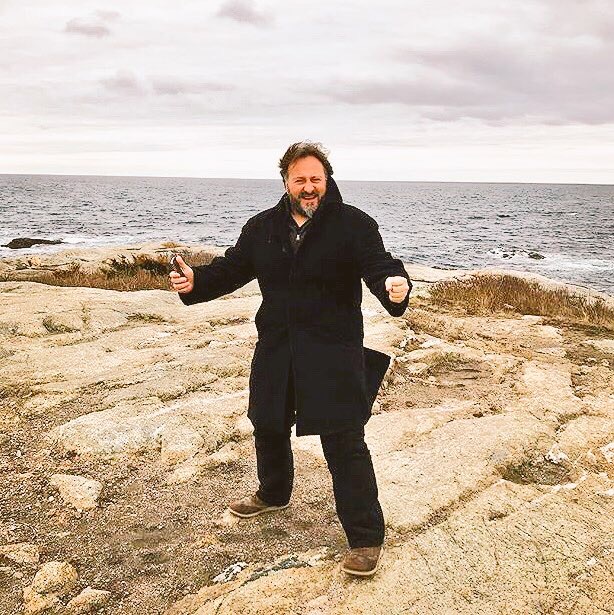
Sa Dejvidom Gamageom sam se prvi put čuo prije nekolike godine kada sam radio intervju sa Ian Glasperom koji izdaje knjige pod Dejvidovom etiketom Earth Island Books. Došlo je vrijeme da se ponovo čujemo jer je ova izdavačka kuća izdala must have knjigu Charlija Harpera legendarnog frontmena UK Subs-a koja se morala nabaviti. U međuvremenu za potrebe Out of the darkness fanzina izašao je sjajan intervju sa Dejvidom i tu se može dosta pročitati zanimljivog. Kako je Dejvid jako prijatan lik i spreman za razgovor u konverzaciji o novim izdanjima, muzici i svemu ostalom odlučio sam i ja da tu prepisku uobličim u intervju koji ćete čitati. Vjerovatno se Dejvid pita odkud toliko intereseovanje balkanske publike za njegov rad, ali ako pogledate spisak onoga što oni rade sigurno vam se 95% kataloga sviđa ako dolazte iz ove priče…
David, hvala ti što si razgovarao s nama za naš portal i fanzin. Kao što vidiš, u ovom dijelu Evrope vlada veliko interesovanje za tvoj rad. Pa da krenemo s kratkom istorijom izdavačke kuće i muzičke etikete.
Cijelog svog života sviram u bendovima, organizujem koncerte, pravim fanzine i dio sam alternativne scene. Pomagao sam priličnom broju malih nezavisnih izdavačkih kuća i tokom devedesetih objavljivao izdanja – kako za bendove u kojima sam svirao, tako i za prijatelje. Do 1999. godine pokrenuo sam sopstvenu izdavačku kuću pod nazivom Engineer Records. Postojimo već više od 25 godina i do sada smo objavili preko 450 odličnih izdanja, sa distribucijom širom svijeta. Sve naše bendove i njihova izdanja možete pogledati na www.engineerrecords.com
Kao stari školski štreber, volim fizičke, opipljive stvari, pa zato radimo mnogo vinilnih izdanja. Takođe me zanima izdavaštvo, pa su nam fanzini, a sada i knjige, veoma važni. Radio sam u raznim izdavačkim kapacitetima dugi niz godina, a tokom COVID-a i perioda zatvaranja imao sam malo više slobodnog vremena, pa sam odlučio da pokrenem punk-rock izdavačku kuću za knjige, pod nazivom Earth Island Books. Imali smo sreće da posjedujemo dobre kontakte – kako u izdavaštvu, tako i kroz diskografsku kuću – sa bendovima i autorima koje dobro poznajemo, kao i sa dobrim idejama. Sve je to vrlo brzo krenulo, i već za nekih šest godina imamo oko 60 objavljenih izdanja, na koja sam izuzetno ponosan i koja intenzivno promovišemo. Sve naše autore i knjige možete pogledati na www.earthislandbooks.com
Živimo u eri digitalizacije, a ti si dokaz da i danas nišna literatura posvećena određenim muzičkim žanrovima ima publiku i potražnju.
Zaista se čini da živimo u eri digitalizacije, gdje se svijet raspada i ide dođavola, a većina ljudi samo sjedi i gleda sve to preko društvenih mreža. To je užasna situacija i, bez sumnje, vodi ka našem kraju, ako se nešto uskoro ne promijeni. Ali, s druge strane, postoji i pozitivna strana – kao što kažeš, još uvijek nas ima dovoljno „starih štrebera“ koji vole pravu knjigu ili pravu ploču i žele nešto kvalitetno da drže u rukama, da čuvaju, čitaju i slušaju. Oduvijek smo bili fokusirani na manje alternativne niše na tržištu, posebno na hardcore i punk-rock žanrove. To možda nije ogromna potražnja, ali nas to ne zanima – ne radimo ovo zbog novca. Volimo da ovu važnu društvenu istoriju iznesemo pred ljude, da je pročitaju, možda promijene način razmišljanja, pomognu svojim lokalnim zajednicama i dignu se sa stolice da stvore nešto svoje, nešto kul.
Imajući to u vidu – kakva je, prema tvom iskustvu, potražnja za fizičkim muzičkim izdanjima?
Potražnja za fizičkom muzikom nije velika, svakako ne onoliko koliko bi trebalo da bude, osim ako bend nije veoma poznat i mnogo ne svira uživo. Većina naših izdanja se kreće između 200 i 500 primjeraka, osim ako je riječ o većem bendu koji često nastupa – tada se ide na hiljade primjeraka i, nadamo se, reizdanja. To je realnost današnjice. Ako bend proda par stotina primjeraka izdanja, rekao bih da mu ide vrlo dobro, jer je to ekvivalent stotinama hiljada strimova i preuzimanja na digitalnim platformama. Naravno, pokrivamo i digitalne kanale – trudimo se da radimo u svim mogućim formatima, jer je krajnji cilj da se bend i njegova muzika što više čuju.
I sam si aktivan u sceni kroz bendove. Mnoge tvoje knjige bave se istorijom žanra, ali kako izgleda današnja scena? Koja je, po tvom mišljenju, glavna karakteristika savremene punk/hardcore scene?
Na sceni i dalje ima mnogo energije i stalno se pojavljuju novi bendovi – samo treba da želiš da kopaš i tražiš. Imamo neka nevjerovatna nova izdanja aktuelnih bendova koja će vas potpuno oduševiti. Pogledajte, recimo, Neckscars, Jukebox Romantics, Gebretter, Death of Youth, Calathea, Zero Again, Shreds, Rad Owl, Sleave, Calico Palace, Minor Planets i još mnoge druge. Sceni su povremeno potrebni nova energija i revitalizacija, a s obzirom na stanje svjetske politike – od globalnog do lokalnog nivoa – rekao bih da nikada nije bilo važnije nego sada da se punk-rock etika dijeli uživo, kroz bendove, njihovu muziku i poruke. Drago mi je da neki ljudi to shvataju ozbiljno i postaju kreativni po tom pitanju.
Vidimo velike komercijalne festivale, ali i festivale poput Rebelliona, koji okupljaju većinu poznatih starijih bendova. Šta možemo očekivati kada ti etablirani bendovi jednog dana nestanu sa scene?
Rijetko idem na velike festivale, jer mi je prilično odvratno da se naplaćuju tako skupe karte samo da bi se ljudi probijali kroz more blata i mokraće. Ipak, postoje neki sjajni alternativni festivali koji rade stvari drugačije i izdvajaju se – a jedan od njih je Rebellion. To je zaista zabavan događaj. Ovogodišnji će biti ogroman, jer se obilježava 50 godina punka. Ne znam šta će se desiti s velikim festivalima, ali znam da će biti sve više zajedničkih i cjelodnevnih hardcore događaja, jer je to način na koji underground funkcioniše – i to je dobra stvar. Ja bih zadržao koncerte manjim i intimnijim, jer je atmosfera uvijek bolja i ljudi mogu lakše da se uključe i uživaju, bez previše pravila, regulacija i troškova. Ali to je samo moje mišljenje – svakome svoje.
Mnoge tvoje knjige fokusirane su na američku scenu. Koliko knjiga objavljujete koje se bave scenama iz drugih zemalja?
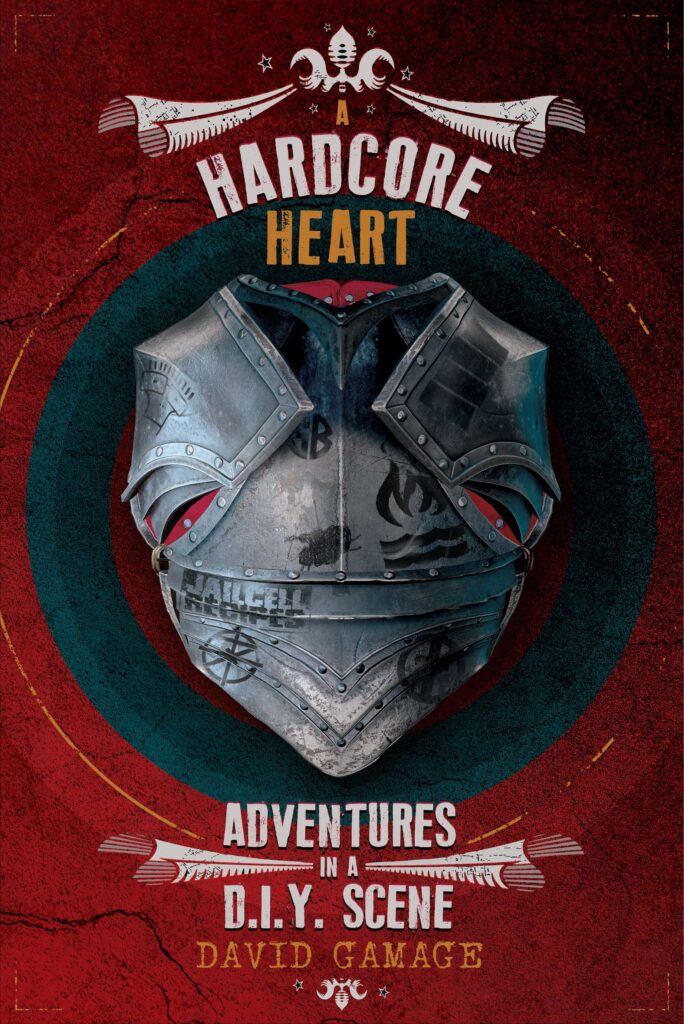
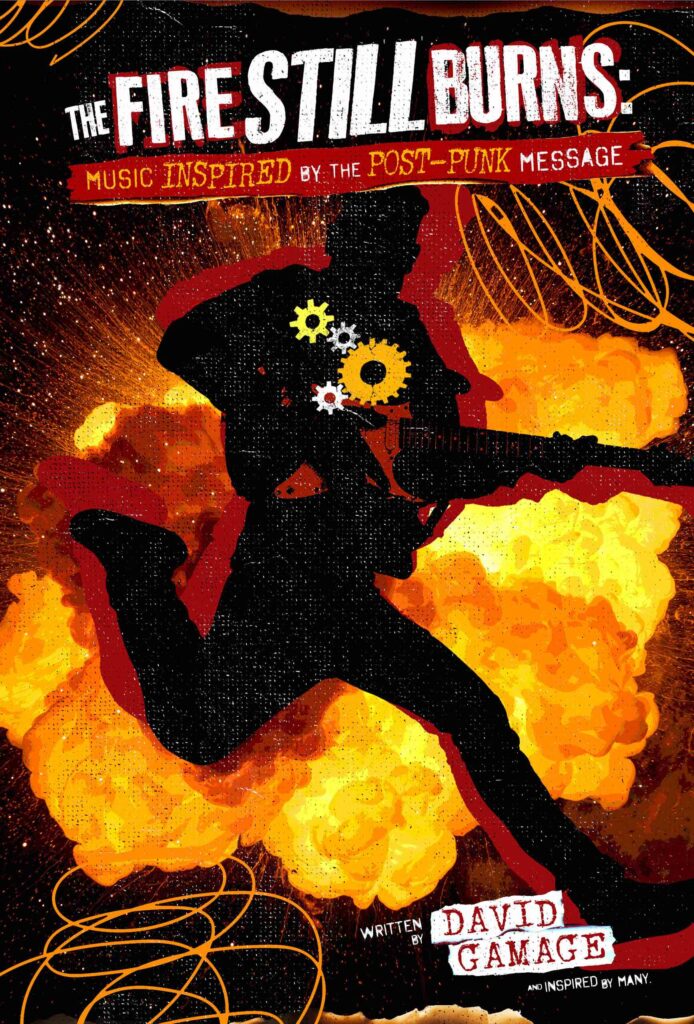
Zapravo, većina naših knjiga bavi se britanskom i evropskom scenom, jer smo tu bazirani i tu poznajemo najviše ljudi. Ipak, imamo i knjige iz cijelog svijeta, uglavnom o hardcore i punk sceni. Sve što radimo zasnovano je na „alternativnom načinu života“, ali često ide i u raznim drugim pravcima. Naše najvažnije knjige su one koje se detaljno bave britanskom HC punk scenom, poput The Scene That Wouldn’t Die, A Country Fit For Heroes (Ian Glasper), A Hardcore Heart ili The Fire Still Burns, koju sam ja napisao. Imamo i sjajne knjige posvećene pojedinim bendovima, poput fantastične autobiografije Charlieja Harpera iz UK Subsa An Anarchy of Demons, ili knjige Iana Glaspera Silence Is No Reaction o bendu Subhumans.
This Is My Everything govori o turnejama njemačkog screamo benda. Running at the Edge of the World bavi se britanskim fanzinom Suspect Device. Imamo čak i alternativne dječje knjige – Punks in the Willows i Raccoon Starts a Band – obje su sjajne. U posljednje vrijeme objavili smo i nekoliko knjiga fokusiranih na Sjevernu Ameriku: Unscripted Moments o kanadskom bendu Propagandhi, Reston Hardcore o DC hardcore sceni u SAD-u, kao i trilogiju Ruby Dee Bag of Tricks o životu punka u San Francisku. Nedavno smo objavili i knjigu o indonežanskoj hardcore sceni. Sve imaju različite uglove. Ne pišemo samo o bendovima – pišemo o fanovima, fanzinima, politici, društvenoj istoriji, čak i uličnoj poeziji. Riječ je o razmjeni ideja i emocija, zabavi, druženju i dijeljenju znanja.
Jedan od britanskih autora koji je pisao o jugoslovenskoj sceni je Barry Phillips iz benda Demob, autor knjige In Search of Tito’s Punks. Da li si upoznat s tom knjigom i znaš li nešto o našoj nekadašnjoj sceni i bendovima?
Čuo sam za tu knjigu, ali je, nažalost, još nisam pročitao. Siguran sam da je interesantna – nabaviću je. Obožavam društveno-istorijski aspekt svega ovoga, priče koje stoje iza scene, ljude i realne okolnosti. Znam samo ono što sam čuo i pročitao u raznim fanzinima o drugim scenama. Mnogo putujem i ove godine sam zapravo bio u Hrvatskoj, ali bih uvijek volio da saznam više.
Fanzini su oduvijek bili važan dio punk i hardcore zajednice. Koliko značajnih i uticajnih fanzina, po tvom mišljenju, danas još postoji?
Fanzini su od presudnog značaja za scenu – njen apsolutni krvotok i način na koji se informacije šire. Naravno, od pojave interneta njihov broj se smanjio, uglavnom zbog troškova štampe i poštarine, ali dobiti lokalni fanzin na koncertu je sjajno – saznaćeš za nove bendove, predstojeće svirke i gomilu drugih kul stvari. To je zaista slobodna i nezavisna štampa, u pravom punk duhu. Većina ljudi danas ide online da bi smanjila troškove i komplikacije, i to razumijem – i mi vodimo sajtove i društvene mreže, moramo. Ali koristimo ih prvenstveno iz praktičnih razloga i gdje god možemo, biramo stvarni svijet. Fanzini su dio toga i još uvijek postoje, ali ne onoliko koliko bih volio. Oni su ogroman izlaz za pravu kreativnost i slobodno mišljenje – možda jedan od posljednjih koji nam je preostao. Moramo ih održati u životu. U znak podrške, objavili smo najmanje pet ili šest zbirki fanzina u formi knjiga, a još ih planiramo. Takođe, podržavamo što više fanzina kroz recenzentske primjerke, oglase i slično. Ako imate fanzin – javite se.
Hvala vam puno na intervjuu! Pozdravi iz Crne Gore.
Hvala vam puno na intervjuu. Ostanite kreativni i nastavite da rokate!
Pozdrav, David
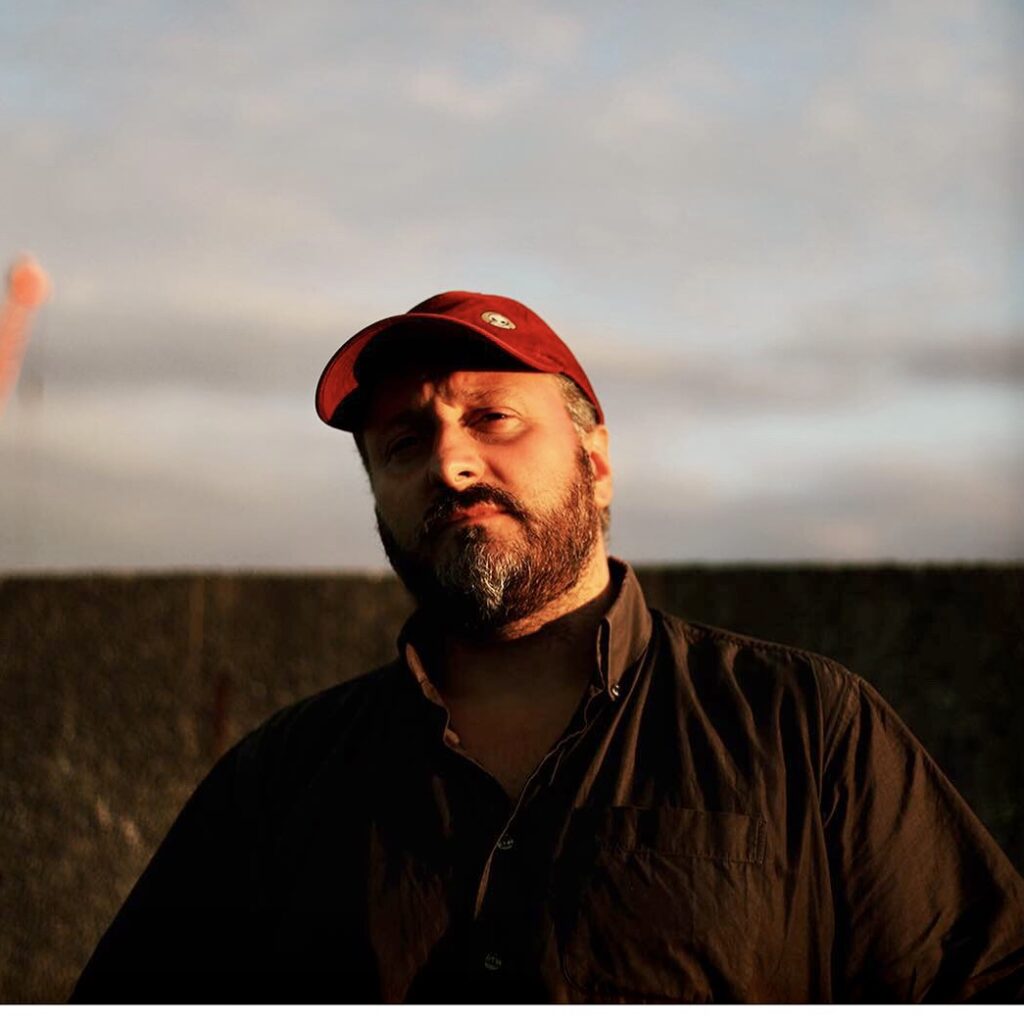
David, thank you for speaking with us for our portal and fanzine. As you can see, there is a great interest in your work in this part of Europe. So, let’s begin with a short history of the publishing house and the music label.
I’ve been playing in bands, putting on gigs, creating fanzines, and being part of the alternative scene pretty much all of my life.
I helped with quite a few small indie record labels and putting out releases through the 90s for various tools my own bands did and for various friends and by 1999 I started my own record label, called engineer records. we’ve been going over 25 years and now have well over 450 excellent releases out there with distribution worldwide. you can check out any of our bands and their releases at www.engineerrecords.com
Being an old school nerd I like physical tactile things so we do a lot of vinyl records, and I’m also into publishing so we like fanzines and now books. I have worked in various publishing capacities for quite a long time as well, and had a little bit more spare time around the time of COVID and the lockdowns, so I decided to start a punk-rock book publishing company, and that is called Earth Island Books. We were lucky enough to have a lot of good contacts, both through the publishing industry and the record label, with bands and authors that we knew well and some good ideas, so that’s taken off pretty fast and already in the space of just six years or so we have about 60 publications out there, all of which I am very proud of and we work hard to promote. You can check out any of our authors and their books at www.earthislandbooks.com
We live in the era of digitalization, yet you are proof that even today, niche literature focused on specific music genres still has an audience and demand.
It does seem now that we live in the era of digitalization where the world can be falling apart and going to shit and most people just sit there and watch it on their social media. This is a terrible situation and will no doubt be the end of us all unless something changes soon. But on a more positive note, as you say, there are still enough of us old nerds out there that like a real book or a real record and want something decent in their hands to treasure and read and listen to. We’ve always focused on smaller alternative niches in the market, and the hardcore and punk-rock music genres we are into. That might not be massive demand but we don’t care about that, we don’t do this for the money, we just like getting this important social history out there so people can read about it and maybe improve their mindset and help their local communities and get of their asses to create something cool of their own.
With that in mind—what is the demand for physical music releases like, based on your experience?
The demand for physical music is not massive, not as big as it should be, unless the band are very well known and tour a lot. most of our releases hover somewhere between 200 and 500 copies unless is a bigger band they play a lot of gigs in which case they go into the thousands and hopefully get represses. That’s just the reality of things now, if a bank and sell a couple of 100 copies of a release I’d say they were doing pretty well, as that will be the equivalent of hundreds of thousands of streams and downloads on some digital channel, although we do also cover that as well. we tried to work in all formats possible as the real goal is just getting the band and their music better known.
You are also involved in the scene through bands. Many of your books deal with the history of the genre, but what does today’s scene look like? What would you say is the main characteristic of the current punk/hardcore scene?
There’s still a lot of energy in the scene and new bands come along all the time, you just have to wanna go digging and find them. We have some incredible new releases by current bands that will absolutely blow you away. Check out Neckscars, Jukebox Romantics, Gebretter, Death of Youth, Calathea, Zero Again, Shreds, Rad Owl, Sleave, Calico Palace, Minor Planets, etc to name just a few. The scene needs new energy and revitalization various times and looking at the stage of world politics we’re at down to local communities I’d say no time has been more important than now to have that punk rock ethic being shared in a live situation through bands and their music and their message, and I’m glad to say that some people are acting on that and getting creative with it.
We see big commercial festivals, and on the other hand, festivals like Rebellion, which gather most of the well-known older bands. But what can we expect after those established bands eventually fade out?
We very rarely go to the big festival’s as I find it pretty obscene to charge those kind of ticket prices just to wade around in a sea of piss and mud, but they’re are some cool alternative festivals that do things differently and stand out, and one of those is rebellion. that’s a fun event. this year’s will be huge as it’s the 50th anniversary of punk. I don’t know what’s gonna happen with big festivals. I know there will be more joint and all-day type hardcore events, as that’s just how the underground does things, and that’s a good thing. I would keep gigs smaller and more intimate, as the atmosphere is always better and people can get involved and enjoy them without too many rules and regulations or costs. But that’s just my opinion, each to their own.
Many of your books focus on the American scene. How many books do you publish that cover scenes from other countries?
Actually most of our books focus on the UK and European scene as that where we’re based and where we know most people, but we do have books from all over the world about the hardcore and punk scene there mainly. Everything we do is based in ‘alternative lifestyle’ but goes off on a few tangents. By far our biggest books are those that look into and get behind the UK HC punk scene in general, such as ‘The Scene That Wouldn’t Die’, or ‘A Country Fit For Heroes’ by Ian Glasper or ‘A Hardcore Heart’ or ‘The Fire Still Burns’ by myself, but we have great books focused around bands too, such as Charlie Harper of the UK Subs brilliant ‘An Anarchy of Demons’ and Ian Glasper’s ‘Silence is no reaction’ about the Subhumans. This is my everything is about a German screamo band’s tours. Running at the edge of the world is about the UK fanzine Suspect Device. We even have alternative kids books, Punks in the Willows and Raccoon Starts a Band, they are both awesome. Recently we’d had a few North American centric books I guess. Unscripted Moments is about Propagandhi from Canada. Reston Hardcore is about the US DC HC scene. Ruby Dee’s ‘Bag of Tricks’ trilogy is about living as a punk in San Francisco. We recently published a book about the Indonesian hardcore scene. They all have different angles. We don’t just have books about bands, we write about the fans, the fanzines, the politics, the social history of it all, even the poetry from the street. It’s about exchanging ideas and emotions, entertaining, having fun and sharing knowledge.
One of the British authors who wrote about the Yugoslav scene is Barry Phillips from the band Demob, who wrote the book In Search of Tito’s Punks. Are you familiar with that book, and do you know anything about our former scene and the bands?
I have heard of this book but unfortunately haven’t read it yet. I’m sure it’d be interesting. I’ll get a copy. I love the social history side of this. The stories behind it all. It’s the people that make it interesting, the realities of the situations. I only know what I’ve heard and read in various fanzines about other scenes. I travel a lot, and was actually in Croatia this year, but would always love to know more.
Fanzines have always been an important part of the punk and hardcore community. How many meaningful and influential fanzines would you say still exist today?
Fanzines are vital to the scene. The absolute lifeline of it and how word is shared. Since the internet they have been shrinking of course, a sprint, and mainly postage is expensive, but getting a local scene zine at a gig is excellent and you’ll learn about new bands, upcoming shows, all sorts of cool stuff. It’s truly free and independent press and very punk. Most people simply go online to save costs and hassles and of course I get that, we run websites and social media for everything we do, we have to, but we use it for our own needs and prefer the real world where possible. Zines are like that and still exist, but not as many as I’d like to see. They are a huge outlet for true creativity and free-thinking opinions. Possibly one of the last outlets remaining to us. We have to keep them all going. In support of that we have published at least five or six fanzine collections as books and have more planned, and we support as many as we can with review copies of all we do, ads, etc. Any fanzines please get in touch.
Thank you very much for the interview! Greetings from Montenegro.
Thanks very much for the interview. Stay creative and keep on rocking!
Cheers, David.